

“I’m Undecided” Is Not Innocent
Looking away is temporary and using your voice matters now

Being neutral can feel like the easiest escape. “I’m undecided”, “I don’t have an opinion”, “It’s complicated”, “I don’t want to pick sides”.
I understand the impulse. We are constantly confronted with crisis, conflict, injustice and outrage and it is genuinely hard to keep up with everything while still living a life. It is also hard to be well-informed all the time, and yes, there is a real question underneath it: Is it better to make an ill-informed choice, or to make no choice at all?
Let me be clear:
Not picking a side is rarely the absence of a choice. Over time, it becomes a choice and depending on the situation, it can become a choice that protects harm.
Neutrality can be a pause, but it cannot be a permanent home.
In the early hours of a new development, in the first days of something complex unfolding, it is reasonable to say: I need time, I need information, I want to understand what I’m looking at before I speak.
That is not the kind of neutrality I’m concerned about.
What I’m concerned about is the neutrality that stretches over weeks, months, years, even when the facts of harm are not new. At a certain point, the longer time passes, the more “I don’t know” starts to sound like an excuse, even if that isn’t the intention.
There is a difference between a pause and avoidance. A pause is temporary and purposeful - avoidance becomes a lifestyle.
Choosing to be uninformed is a privilege, even when it’s understandable.
There is another kind of neutrality that is less about time and more about comfort. The choice to stay uninformed, to protect your peace by looking away.
Again, I understand where that comes from, the world is heavy. Sometimes the only way to get through the week is to limit what you take in, but choosing ignorance is a privilege.
That may sound accusatory, but it is simply a fact.
If you can opt out of what’s happening, it often means your livelihood is not directly threatened by it, at least not today. People whose rights are being debated, whose homes are being bombed, whose safety is being legislated away, do not have the luxury of opting out. For them, reality is not a headline. It’s their body, their family, their tomorrow.
Distance can make suffering feel abstract. It can make entire groups of people feel far away from the life you’re living, but the safety that comes from distance is fragile. You might be able to look away for now, but that option is not guaranteed forever. Even people who consider themselves “the norm” or “the standard” are not immune to the world shifting underneath them.
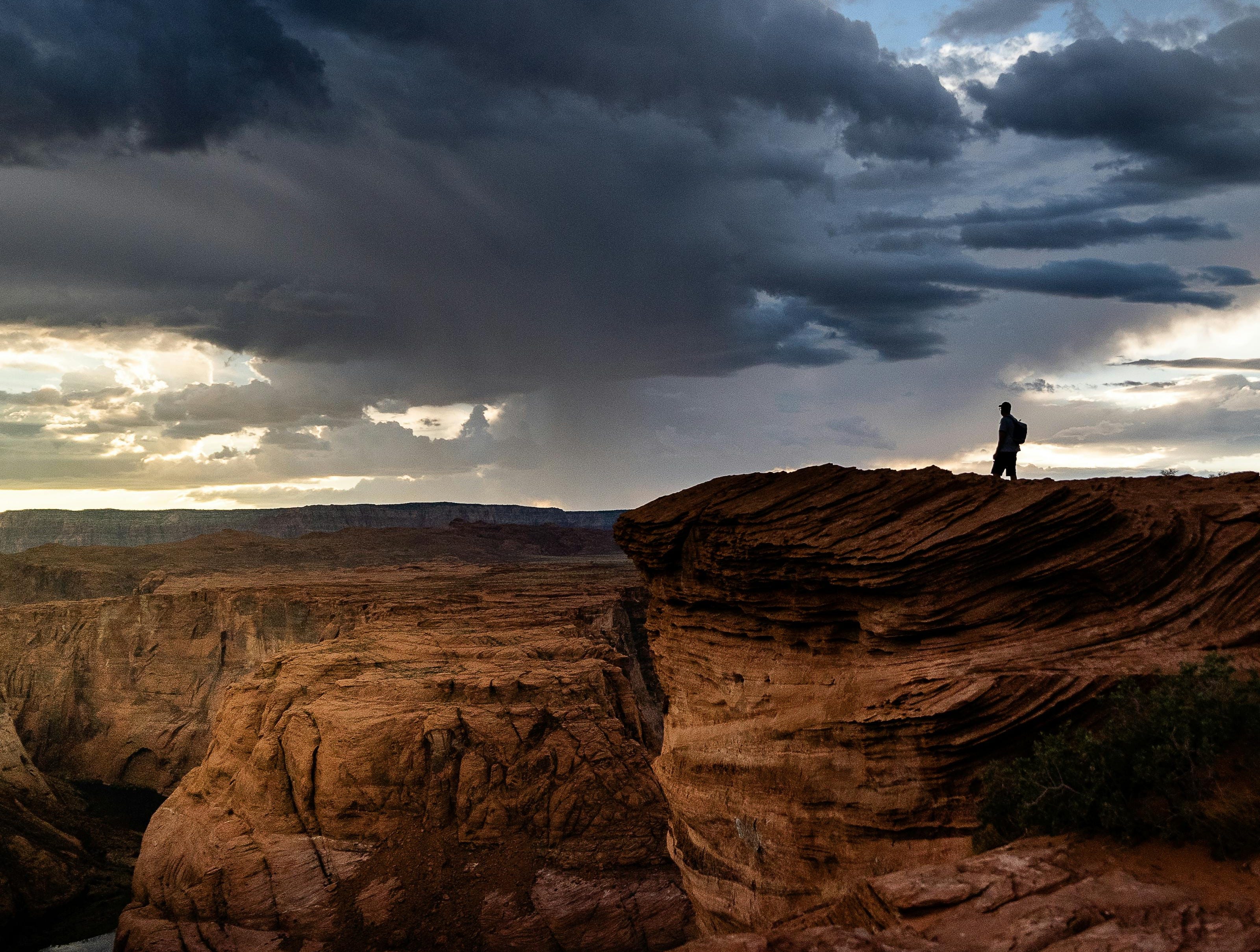
Once you understand that, something interesting happens. The comfort of ignorance starts to lose its shine, because you realize it’s temporary and taking a stance starts to feel less like stress and more like agency. It can be scary to face reality, but there is power in acting within it.
Neutrality can also be a mask.
There is another version of neutrality and that one is much more sinister.
Sometimes “neutral” is a softer way of saying something else. It’s a cover for beliefs someone doesn’t want to name out loud, because naming them would force ownership. It would force them to see themselves clearly and that might also cost them social acceptance in the circles they still want to belong to.
So instead of saying, “I support the authoritarian direction this is heading in” they say, “I’m neutral”. Instead of saying, “I want borders closed and I don’t care who gets hurt” they say, “I’m undecided”. Instead of admitting what they believe, they use neutrality as a shield.
I believe this happens more often than we like to admit these days, but people can sense it. “Neutral” has become a scapegoat and many of us have learned to look right through it.
When harm is happening, neutrality doesn’t stay neutral. Over time, it starts to function as permission. It becomes silence that protects the loudest force in the room and inaction that benefits the side already causing damage.
Ad break: Are the challenges of others are too abstract? How about reaching beyond your usual circles to understand how people live, in other corners of the world? Join my startup www.pool-match.com to meet strangers from all over the world for thoughtful conversations. Join and test for three months with code WELCOME, then just 1€/month to keep matching (and to keep ads and data misuse off the platform)
I wish we lived in a world where not having an opinion could simply mean not having an opinion, but in most situations today, that is not how the math works.
If democracy gives you a voice, not using it doesn’t keep you outside the system. It just removes one more counterweight.
So what now?
I’m a person of opinion. I say what I believe and I stand by it. I have very little tolerance for the kind of hiding that uses neutrality to avoid responsibility, especially when that avoidance comes at the expense of others.
This is not a call to be loud about everything, it is not a demand that you need to have a perfect take on every topic. It is an invitation to resist the comfort of permanent neutrality in situations where neutrality is not harmless.
If you are reading my work, you are likely not the person hiding something sinister behind “I’m undecided”. You are more likely someone who cares, but is tired, overwhelmed, maybe unsure where to start.
So let me end with this:
When there is harm, silence is not empty. It has a direction and the longer we wait, the more our “neutrality” starts to look like consent.
So if you’ve been standing on the sidelines, consider this your reminder to step back into the world. Pick one issue where you know what’s right, even if it’s uncomfortable, and support it with action. Use your voice while you have it.
There is no need to be perfect, but there is a need to be present.
It is the only way for the future to stay open.
thissss thank you for putting this into words
I wish I could send this to the world. Truly, indecision is a decision. Not choosing is a choice. Not acting is an action. There is no hiding from how we all play a role in the world.
News is desensitizing and sensational on purpose, to overwhelm us to the point of silence and disregard. Education is key but even that is fading or becoming manipulated in disappointing ways.
The world needs more people like you saying what needs to be said!